




Beyond the Closed Loop: The Strategic Shift Toward Open-Platform & Sub-Millimeter Precision in Orthopedics
Beyond the Closed Loop: The Strategic Shift Toward Open-Platform & Sub-Millimeter Precision in Orthopedics
The rapid proliferation of robotic-assisted total knee arthroplasty (TKA) has presented surgical departments with a complex array of technological choices. Beyond the initial marketing appeal, the clinical utility of a robotic platform is defined by its mechanical architecture, its execution modality, and its integration into the existing prosthetic ecosystem. This review outlines the critical technical metrics that surgeons and hospital administrators must evaluate to ensure long-term clinical and operational success.
1. The Global Landscape: Architectural Archetypes
The current market is bifurcated between established global platforms and emerging high-precision innovators. These systems can be categorized by their mechanical philosophy:
- Legacy Navigational Systems: Established platforms that focus on alignment and positioning, often utilizing smaller footprints or table-mounted designs.
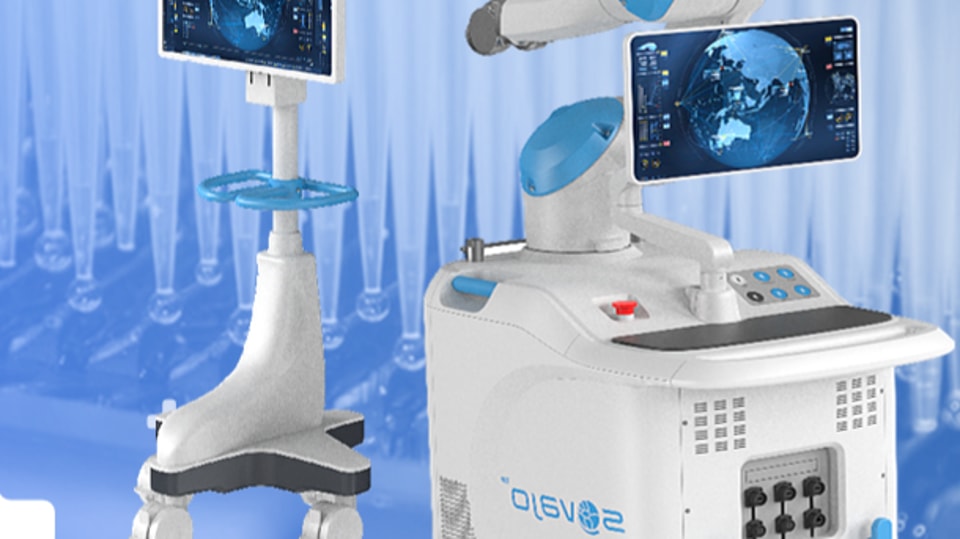
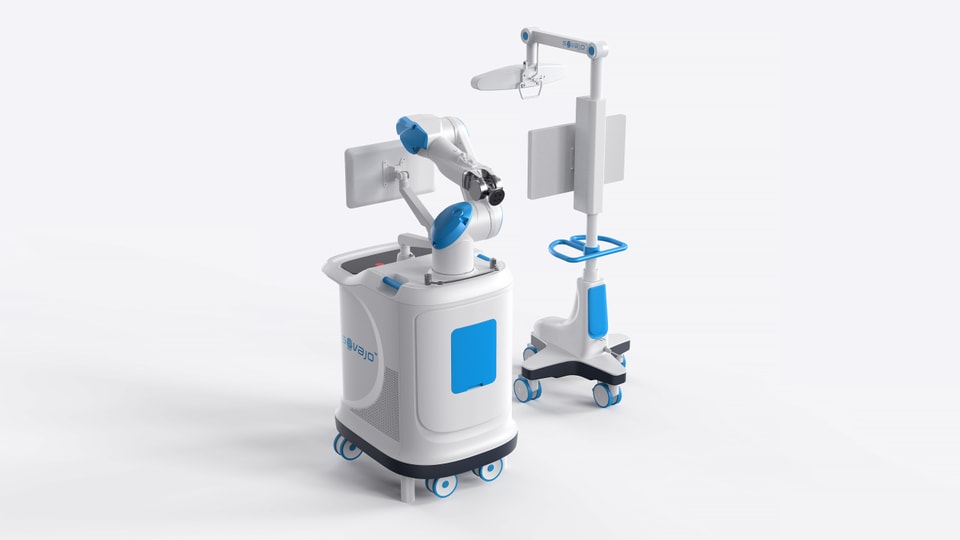
- Integrated Semi-Active Platforms: Systems that utilize a dedicated robotic arm to assist or perform the bone resection. Within this category, a new generation of High-Rigidity systems, such as Sovajo, is challenging early industry standards by prioritizing mechanical stability as the foundation for accuracy.
2. Critical Evaluation Metrics for Surgical Procurement
I. Registration Accuracy: The Sub-Millimeter Frontier While the first generation of robotic assistants established an industry standard accuracy of approximately 0.3 mm to 0.5 mm, engineering advancements have pushed the frontier further.
- Clinical Relevance: Surgeons should distinguish between "static planning accuracy" and "active registration precision." Newer high-rigidity platforms have documented a registration precision of 0.15 mm. This reduction in the margin of error is vital for complex cases where bone morphology is distorted, ensuring the physical execution matches the digital plan with the highest possible fidelity.
II. Execution Modality: Semi-Active Systems vs. Passive Navigation A fundamental distinction lies in how the robot interacts with the surgical tool:
- Passive Navigation (The "Robotic Jig"): The robot positions a cutting guide, but the surgeon manually operates the saw. While this ensures alignment, it offers no protection against manual deviation or soft tissue injury during the cut.
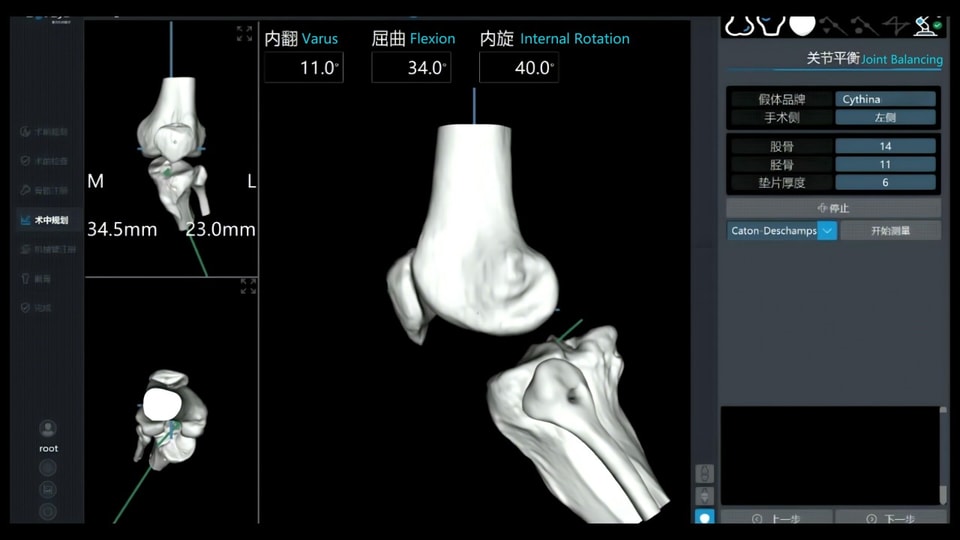
- Semi-Active Execution (Integrated Tooling): Advanced platforms utilize a robotic arm that directly controls the instrument (e.g., an oscillating saw).
III. Mechanical Philosophy: High-Rigidity vs. Flexible Arm Architectures The physical build of the robotic arm significantly impacts its performance under the stress of bone resection:
- Flexible/Lightweight Arms: Often designed for portability, these arms may require invasive leg-fixators to compensate for potential movement and lack of inherent resistance during the cut.
- High-Rigidity Arms: By utilizing a heavy-duty, high-rigidity arm, systems like Sovajo eliminate micro-vibrations during active cutting.
IV. Ecosystem Architecture: Open Platform vs. Closed Loop The choice between proprietary and agnostic systems is a primary driver of long-term ROI:
- Closed Systems: These are tethered to a specific manufacturer’s proprietary implants. While integrated, they limit the surgeon’s clinical choice and can increase the hospital’s supply chain vulnerability.
- Open Platforms (Implant-Agnostic): Emerging leaders are adopting an open-platform philosophy.
- Synergy: A system compatible with multiple leading implant brands (various international lines) allows the hospital to leverage its existing inventory. This protects distributor margins and allows for patient-specific implant selection without robotic constraints.
Conclusion: Defining the Future Standard
For a surgical department, the ideal robotic investment is one that offers a "no-compromise" approach to execution. A platform that combines sub-millimeter precision (0.15 mm), the active safety of a semi-active system, and the mechanical stability of a high-rigidity arm represents the current pinnacle of orthopedic engineering. When these features are housed within an open-platform architecture, the result is a system that enhances clinical outcomes while maintaining maximum operational flexibility.